Rodent mechanical exclusion establishes a physical barrier that stops pest infiltration into wall voids, attic spaces, and subfloors. Field mice and Norway rats exploit openings as small as 1/4 inch, commonly found…
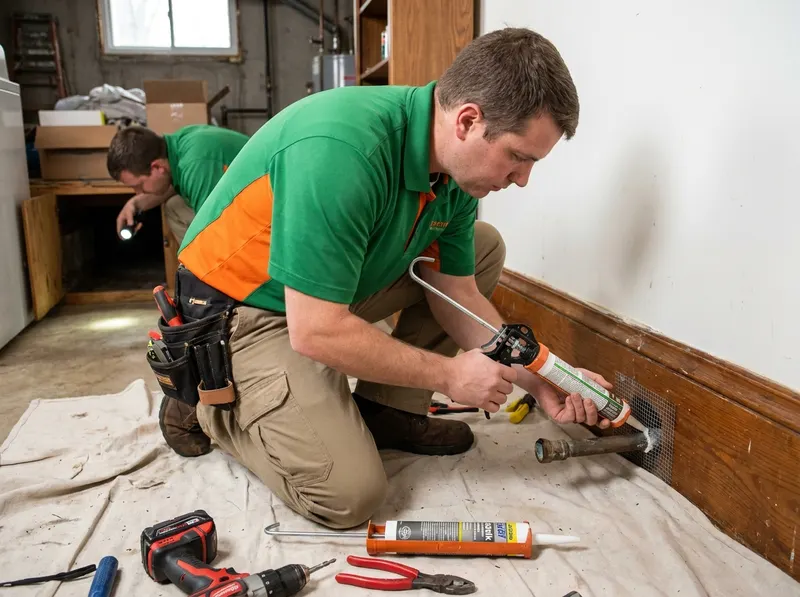
Rodent mechanical exclusion establishes a physical barrier that stops pest infiltration into wall voids, attic spaces, and subfloors. Field mice and Norway rats exploit openings as small as 1/4 inch, commonly found around foundation sills, plumbing penetrations, and garage door gaskets. Applying chemical rodenticides inside living spaces introduces risks of dead rodents decaying inside insulated wall cavities. The exclusion process replaces loose repellents with rigid materials: 24-gauge galvanized hardware cloth, high-grade steel wool blended with copper mesh, and elastomeric sealants that rodents cannot chew through. This process terminates the entry pathway before interior remediation begins.
Residential homes and acreage properties in Isanti County face sustained rodent pressure due to river corridors, open agricultural fields, and freeze-thaw cycles. During autumn temperatures drops near Bluebird Park and along the Rum River corridor, rodents migrate out of riparian vegetation toward heated crawlspaces. Properties in Rum River Meadows, Legacy Pines, and Country Wood with walkout basements, attached pole sheds, or cedar siding frequently show foundation settling gaps. Mechanical sealing targets corner post voids, roofline drip edges, and AC line-set penetrations. Sealing these vulnerabilities halts the seasonal ingress that causes shredded fiberglass insulation, chewed electrical wiring, and nocturnal attic disturbances.
Interior eradication begins the moment exterior perimeter barriers are sealed. Trapping technicians deploy clean, un-baited or food-grade attractant mechanical snap traps within secured attic tracks, crawlspaces, and mechanical rooms. Placing stations along established rub marks and pheromone trails ensures fast extraction without placing toxic baits near livestock, domestic dogs, or cats. Interior trapping continues across a 7 to 14-day monitoring sequence to verify zero residual interior activity before monitoring stations are closed. The process requires no ongoing recurring contract; single-remediation projects resolve localized infestations directly.
Execution follows an objective four-step sequence. Step 1: Technicians survey the entire lower and upper exterior boundary, identifying all openings 1/4-inch or larger. Step 2: Mechanics install galvanized steel barriers, flashing, and mortar patches over open foundation seams and utility entries. Step 3: High-density internal mechanical snap traps are calibrated and mapped across structural runways. Step 4: Follow-up visits clear carcasses, measure trap closure metrics, and verify perimeter seal integrity.
Every job gets a firm, written price after a free on-site visit.
Tell us about your rodent mechanical exclusion and interior eradication job in Isanti and we'll send a clear, written quote, usually the same day.
 Trivano Pest Assistance